Walnut Creek · Diablo Valley

Heat Pump Installation Experts in Walnut Creek

Practical heat-pump installation, replacement, repairs, and electrification services for Walnut Creek homeowners—older ranches, split-levels, additions, and ADUs included.

Licensed & Insured Financing Available Locally Owned

No invented quotes. No mystery model numbers. Just a better way to compare the work.

System options

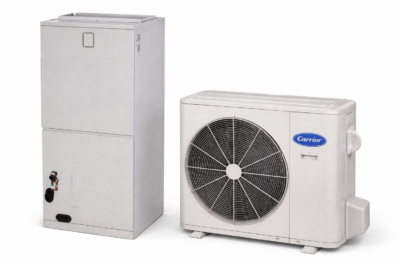
Carrier ducted heat-pump system with indoor air handler and outdoor unit
01 · Ducted systemWhole-home airflow
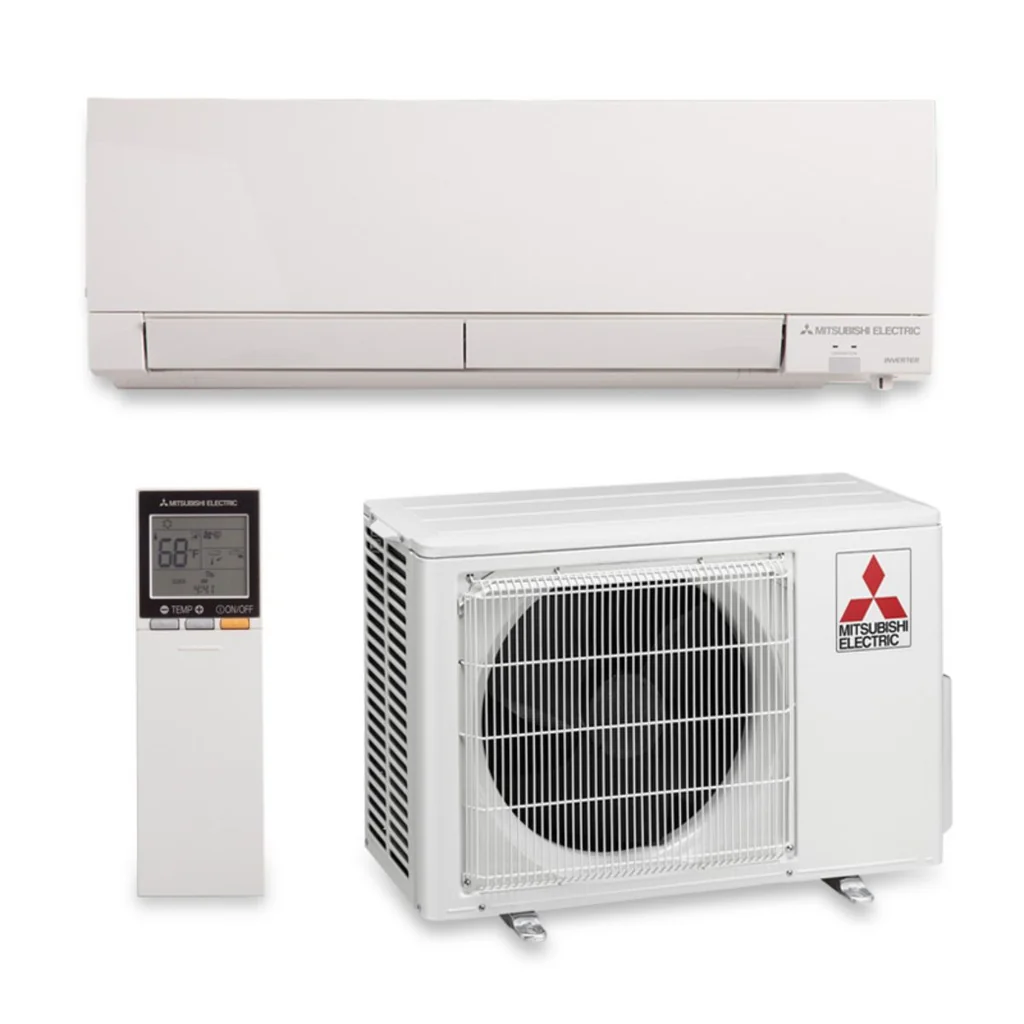
Mitsubishi Electric ductless mini-split heat-pump system with indoor unit, controls, and outdoor unit
02 · Ductless systemRoom-by-room zones

Designed around the home—not the other way around.

Types of heat pumps

Which heat pump system fits your Walnut Creek home?

There are three common paths to compare: a central system connected to ducts, a ductless mini-split system for targeted zones, and a dual fuel system that keeps a gas furnace as backup. The best choice follows the home’s layout, existing equipment, electrical service, and comfort goals.

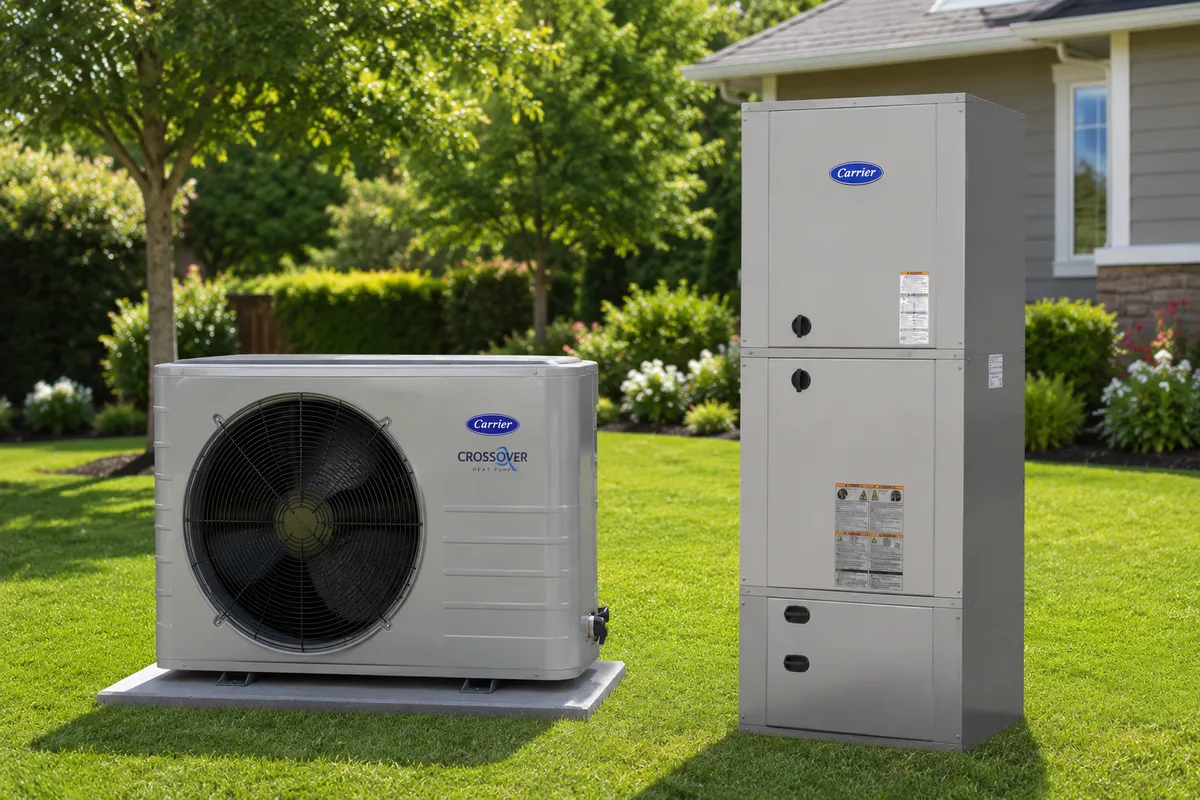
Carrier ducted heat-pump system with an outdoor condenser and indoor air handler beside a home

Outdoor unit + indoor air handler + duct paths

01Walnut Creek system services

Ducted (Central) Heat Pump

A ducted (central) heat pump uses an outdoor condenser and an indoor air handler to move heated or cooled air through supply and return ducts. It can replace the heating and cooling functions of a furnace and central air conditioner while keeping a familiar thermostat and register layout.

Best for

  • Walnut Creek ranch homes and split-levels with usable forced-air ducts
  • Whole-home heating and cooling from one central distribution system
  • Projects where the existing air handler location and duct routes remain practical

Key benefits

  • Familiar room-by-room delivery through existing registers
  • One system can provide both cooling and heating
  • A good opportunity to correct return-air, filtration, and duct-sealing problems

What to confirm before installation

Do not size the new heat pump from the old furnace label. Duct leakage, undersized returns, attic access, and the need for backup heat can change the design.
Explore Ducted (Central) Heat Pump services
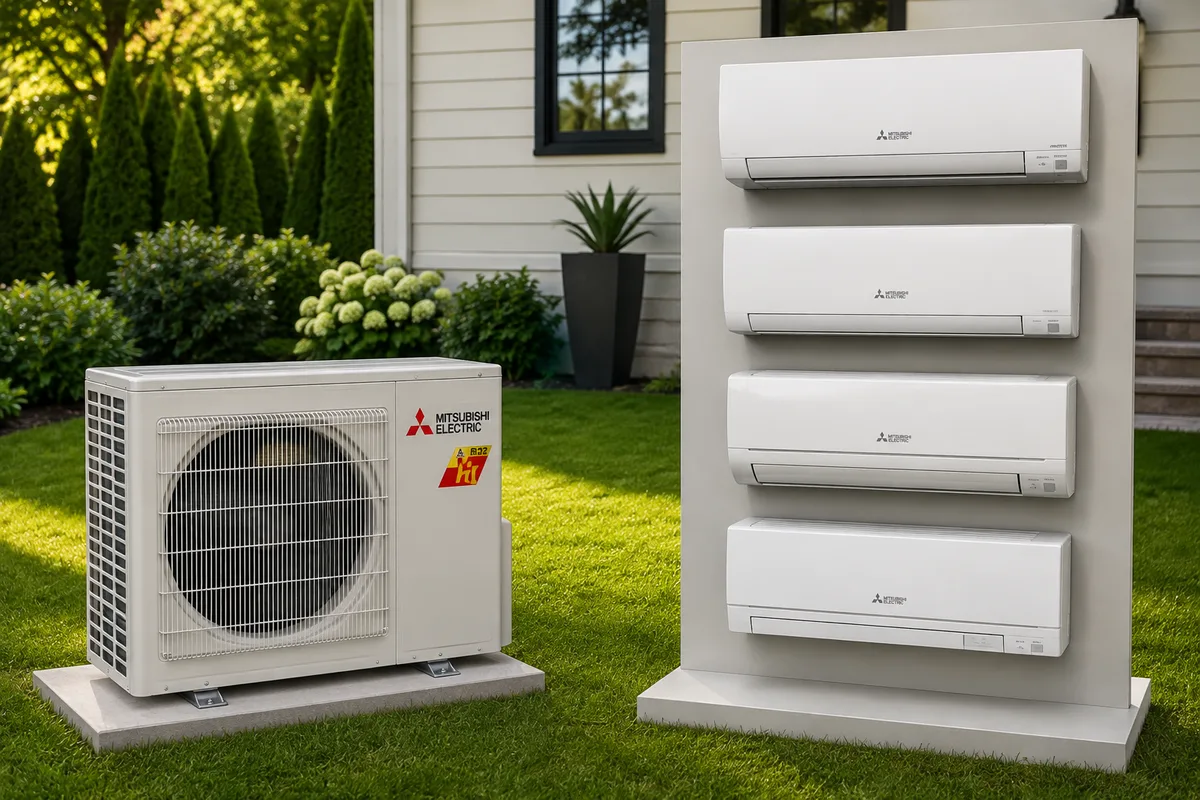
Mitsubishi ductless mini-split heat-pump system with an outdoor unit and multiple indoor units

Outdoor unit + indoor heads + zone paths

02Walnut Creek system services

Ductless Mini-Split Heat Pump

A ductless mini-split heat pump serves a room or zone with an indoor wall-mounted head connected to an outdoor unit by a refrigerant line set. Because it does not need a full duct network, it can be a practical way to condition an ADU, office, addition, converted garage, or difficult room.

Best for

  • Additions, ADUs, detached offices, and rooms outside the central duct layout
  • Homes where opening walls for new ducts would add unnecessary disruption
  • Room-by-room temperature control and different schedules

Key benefits

  • Avoids new supply and return duct runs in many targeted projects
  • Independent controls can match occupancy and room use
  • Flexible indoor-unit placement when line-set and condensate routes are planned early

What to confirm before installation

A single indoor head cannot reliably condition closed rooms down a hallway. Confirm the load, air movement, head location, line-set route, drainage, and whether single-zone or multi-zone equipment fits.

Explore Ductless Mini-Split Heat Pump services
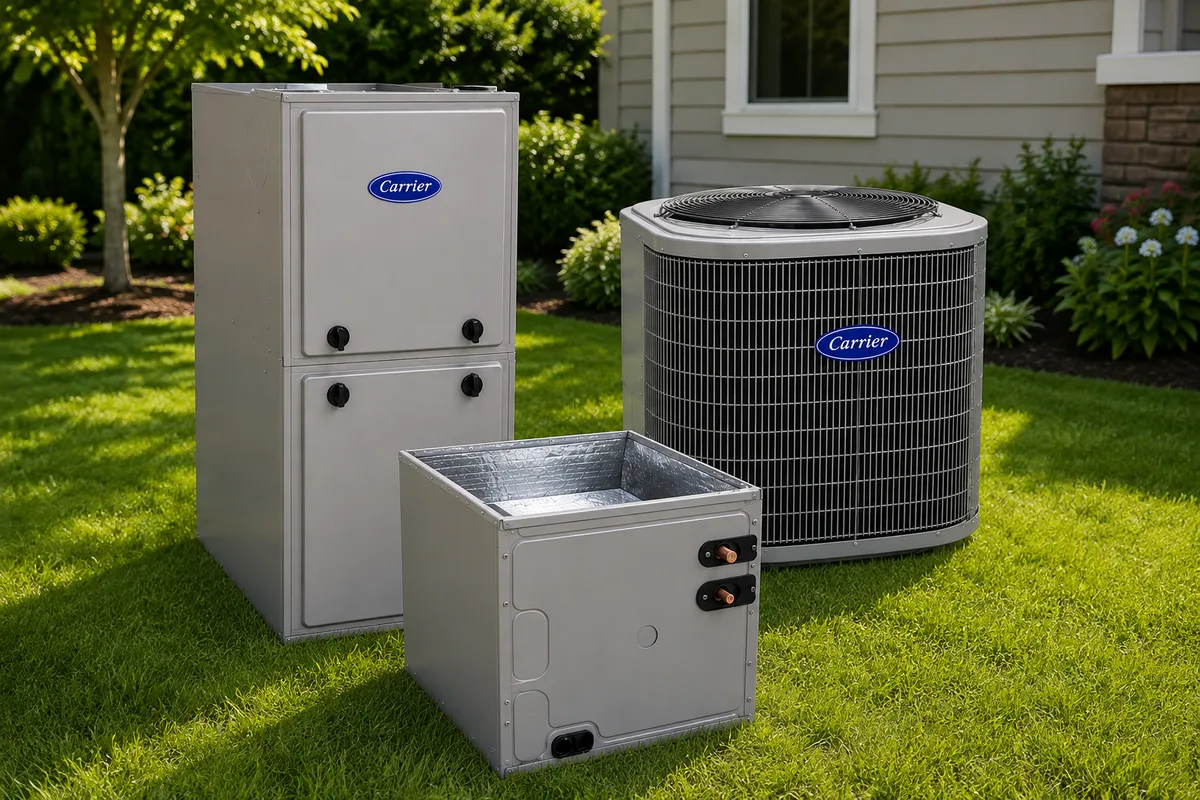
Carrier dual-fuel heat-pump system with a furnace cabinet, outdoor unit, and indoor coil beside a home

Heat pump + indoor coil + furnace changeover

03Walnut Creek system services

Dual Fuel Heat Pump System

A dual fuel heat pump system combines an electric heat pump with a gas furnace. Controls can change heat sources as outdoor conditions, capacity, comfort preferences, or the selected changeover strategy require. It is a hybrid path for homeowners who want heat-pump cooling and more electric operation without making every backup decision at once.

Best for

  • Existing ducted homes with a serviceable furnace and a clear backup strategy
  • Homeowners planning a phased move toward electrification
  • Projects where electrical capacity or cold-weather backup needs more evaluation

Key benefits

  • Keeps a furnace available as a backup heat source
  • Adds heat-pump heating and cooling to the existing central layout
  • Makes the fuel, controls, panel, and future-upgrade tradeoffs explicit

What to confirm before installation

Dual fuel is not a universal promise of lower utility bills. Compare the furnace condition, duct performance, heat-pump capacity, changeover controls, gas and electric rates, and future replacement plan.

Explore Dual Fuel Heat Pump System services

Why homeowners compare heat pumps

One upgrade can answer several comfort questions.

A heat pump is not automatically the right answer for every home. It is worth comparing when you want heating and cooling in one system, more control over difficult rooms, or a deliberate path away from combustion.

01

Heating and cooling in one system

An air-source heat pump moves heat rather than creating it with combustion. The same equipment can provide cooling in Walnut Creek’s hot summers and heating during cooler weather.

02

Comfort that follows the rooms

Ducted, ductless, and mixed systems can be designed around how a home is actually used, including additions, offices, converted garages, and secondary suites.

03

A clearer path to electrification

The right project can reduce dependence on combustion while keeping the electrical panel, backup strategy, controls, and future upgrades visible from the start.

Heat pump services

Start with the system—or the problem—you need to solve.

Find the service that matches your home or project. These pages cover the major installation paths, plus replacement, repair, cost, and service-area details that shape a real project.

Ducted (Central) Heat Pump

A whole-home approach for existing supply and return runs. Start with airflow, Manual J sizing, and duct condition.

View service details

Ductless Mini-Split Heat Pump

A precise option for additions, ADUs, offices, and rooms the central system never reached.

View service details

Dual Fuel Heat Pump System

Compare a heat pump with a gas furnace backup while you plan a longer electrification path.

View service details

Replacement & upgrades

Turn an aging furnace or AC into a better whole-home plan—not just a new outdoor box.

View service details

Repair & maintenance

Start with safe checks, clear symptoms, and a diagnosis before deciding what comes next.

View service details

Ready to plan your next step?

Bring the details of your home, comfort goals, and existing equipment to an appointment conversation.

Schedule appointment

How installation works

A quality heat-pump installation is a sequence, not a single visit.

The details between “I want a heat pump” and “the system is running” determine comfort, reliability, code compliance, and how easy the equipment will be to service later.

01

Home assessment

Walk the rooms, note comfort problems, review the existing equipment, and identify attic, crawlspace, line-set, and outdoor-unit access.

02

Load and airflow review

Use room-by-room heating and cooling loads, inspect ducts and returns, and separate distribution problems from equipment problems.

03

System design

Compare ducted, ductless, mixed, dual-fuel, or all-electric paths with capacity, sound, controls, and backup requirements in view.

04

Electrical and permit plan

Confirm disconnects, conductors, breaker space, panel capacity, refrigerant routes, condensate, permits, and inspection responsibilities.

05

Installation and commissioning

Install to manufacturer requirements, then verify airflow, controls, refrigerant charge, defrost behavior, drainage, and startup readings.

06

Homeowner handoff

Leave clear filter, thermostat, maintenance, warranty, and service information so the system can be operated and cared for confidently.

Before equipment

Five checks that prevent expensive surprises.

Good HVAC work starts with a survey of the home, not a sales script. Take this list with you when you compare site assessments.

  1. Load calculation.
    Ask how Manual J assumptions reflect the actual rooms, windows, insulation, and additions.
  2. Duct and return review.
    Find leakage, restrictions, and rooms that need a different distribution strategy.
  3. Electrical capacity.
    Check panel space, conductor sizing, disconnects, and backup heat before the equipment is selected.
  4. Placement and noise.
    Choose an outdoor location with service access and respect for windows, neighbors, and airflow.
  5. Permit and handoff.
    Know what is included, who coordinates inspections, and what startup readings you receive.

Cost and incentives

The number on a proposal is only useful when the scope is visible.

Walnut Creek heat-pump costs can change with system type, capacity, duct repairs, panel work, access, line-set routing, permits, removal, and commissioning. Compare the work behind the number before comparing the number itself.

Explore cost drivers

Ask whether the proposal includes

  • Manual J load assumptions and equipment capacity at relevant temperatures
  • Duct sealing, return-air changes, balancing, or new distribution
  • Electrical load review, disconnects, conductors, and panel work
  • Permits, inspection coordination, removal, startup, and homeowner handoff
  • Current incentive eligibility, contractor requirements, and deadlines

Heat pump or furnace?

Compare the system, not the slogan.

There is no universally correct answer. The right path depends on the home’s loads, distribution, fuel and utility context, electrical service, and how far you want to take electrification.

QuestionHeat pumpFurnace
What it providesHeating and cooling from one outdoor systemCombustion heat; cooling is a separate system
Best planning questionCan the home, ducts, and electrical plan support the chosen capacity?Is the existing furnace, fuel path, and cooling equipment still the best long-term fit?
Watch closelyAirflow, backup strategy, outdoor sound, and cold-weather capacityCombustion venting, age, efficiency, and future fuel decisions

Read the dual-fuel comparison

Common questions

The useful answer is usually “it depends on the house.”

Start with the short answers below, then use the full FAQ hub when you are comparing contractors, equipment, or a phased electrification plan.

Read all Walnut Creek heat-pump FAQs
How much does heat-pump installation cost in Walnut Creek?

There is no reliable single number without seeing the home. Equipment type, capacity, ductwork, electrical work, access, permits, removal, and commissioning all affect project scope.

Can a heat pump replace my furnace and air conditioner?

An all-electric heat pump can provide both heating and cooling, but the home also needs a plan for electrical capacity, backup heat if required, ducts or zones, controls, and permits.

Are heat pumps a good fit for Walnut Creek?

Often, yes—but the fit depends on the home’s heat loss, cooling load, distribution, electrical service, and comfort goals. Hot, dry summers make cooling performance especially important.

Do I need new ducts for a heat pump?

Not always. Existing ducts may work after inspection, sealing, balancing, and airflow corrections. Undersized returns, crushed flex, and leakage should be addressed before choosing capacity.

Local coverage

Walnut Creek first. Diablo Valley context included.

Service needs can look different in Lamorinda, Pleasant Hill, Concord, Danville, San Ramon, and elsewhere in Contra Costa County. Use the local service-area information to compare climate, housing, access, and program considerations without treating a zip code as a load calculation.

Explore service areas

A calm next step

Bring the awkward details. They are the useful details.

Tell us about the room that runs hot, the old furnace in the crawlspace, the panel you are unsure about, or the addition that never got a proper return.

Schedule an appointment.

Share your preferred time and project details. Your appointment is not confirmed until we follow up.

Submitting this form requests a time; it does not guarantee availability or create a confirmed appointment.